
Grains
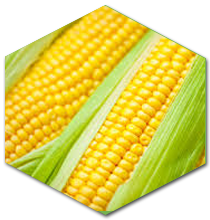
Maize Corn
Maize is our primary agro-trade commodity given it forms the number one staple food ingredient in a majority of sub-Sahara Africa homes.
We trade in both white maize and yellow maize (mostly used in animal feeds).
Maize is assigned different types of grades and classes depending on a set of physical descriptions or qualities such as the minimum test-weight, feeding values, and maximum limits of damaged kernels and foreign material. These aspects and the very seasonal availability of maize heavily influence its pricing.
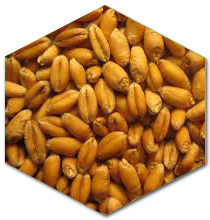 Wheat
Wheat
We also trade in all origin (African, American, Australian, and European) wheat. Wheat products are the second most consumed in the region after maize. World trade in wheat is greater than for all other crops combined and ranks second in the region. Wheat is the leading source of vegetable protein in human food, having a higher protein content than other major cereals, maize (corn) or rice.
As with other grain products, the pricing is heavily influenced by global availability and the physical descriptions on quality, test-weight, nutritional/feeding values, admixture, moisture content, foreign matter etcetera.
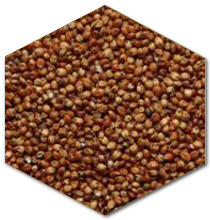 Sorghum
Sorghum, a cereal grain, is the fifth most important cereal crop in the world, largely because of its natural drought tolerance and versatility as food, feed and fuel. In Africa, sorghum is primarily a human food product, a livestock feed and is also used in a growing number of ethanol plants.
Increased prevalence and diagnosis of celiac disease have led to strong growth in the gluten-free market, of which sorghum is a key component. A gluten-free diet incorporating sorghum also has been adopted by many with autism, ADHD and irritable bowel syndrome, although research in this area is limited.
It’s also a whole grain that provides many other nutritional benefits. Sorghum, which doesn’t have an inedible hull like some other grains, is commonly eaten with all its outer layers, thereby retaining the majority of its nutrients. Sorghum also is grown from traditional hybrid seeds and does not contain traits gained through biotechnology, making it non-transgenic (non-GMO).
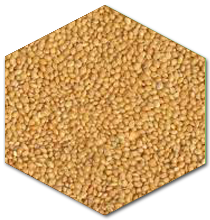 Millet
We also trade in small quantities of Millet mainly within Kenya moving the grain from surplus to deficit areas. The production of Millet is low across the region and is in keeping with global trend. Among the leading exporting countries, taking into consideration the opportunity cost of growing millet in comparison to other crops, prices of the crop are considerably higher to make cultivation remunerative.
The price factor discourages the use of millet in compound feed and is attributable to the low trade in the crop