
Soft Commodities
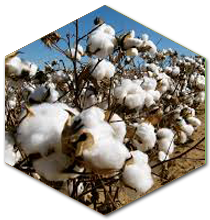 Cotton
Cotton is the raw material used in textile & apparel.
The sub-Saharan region does produce viable commercial quantities of cotton. Production though remains very reliant on weather patterns and with very little mechanisation, harvests of cotton are not lucrative. This has resulted in fewer farmers investing in cotton production. We have partnered with the world leading merchants with operations in the world’s largest cotton producing markets, to ensure we are in a position to address and bridge this gap.
Smaller local textile mills order for raw cotton and receive the bales of raw cotton and process them in stages until they produce yarn (fibers twisted into threads used in weaving or knitting) or cloth (fabric or material constructed from weaving or knitting)
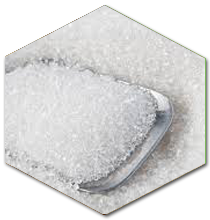 Sugar
Sugar
Sub-Saharan Africa consumes about 10million tonnes of sugar a year and demand is set to double by 2020. Most sub-Sahara African countries are party to either COMESA or SADAC agreements, which provide for a common duty –free market place for goods from member countries within the bloc. The bloc is a net exporter, with close to 45 percent of the total African exports – a relatively small positive balance.
There are restrictive controls however, which member countries impose to safeguard their own production and create an internal market balance, mainly done by introducing duty on quotas/volumes of imported goods from fellow member countries.
One such safeguard introduced by Kenya, is set to expire and sugar imports from bloc member countries will freely trade in the market.
Total sugar requirement in the Kenya is approximately 800,000 metric tonnes, consisting of 650,000 metric tonnes of table sugar and 150,000 metric tonnes for industrial use.
LGH seeks to strategically position itself, to exploit opportunities arising by fully maximizing on our regional contacts to firmly place sugar as one of our main trade commodities.